
"green coffee shipping"
1000 article(s) found

Boutique coffee beans Coffee species Monsoon Malaba (Monsooned Malabar)
Monsoon Malaba, also known as wind-stained Malaba, is a characteristic coffee in India, with yellow and white color, fat bean shape, very low acidity, very thick viscosity, syrup-like taste, nutty and cereal flavors with a hint of spicy and chocolate aromas and unique dusty flavors. In the 17th and 18th centuries, India shipped coffee beans to Europe by sailboat, which took six months and raw beans.

Panamanian Coffee Geisha Rosa Flavor description Grinding degree Taste Variety Baking degree record
The characteristics of Panama coffee: Panamanian (Panamanian) coffee is very smooth, light and sour, its excellent thousand weeks coffee beans pure flavor, very distinctive. Flavor: full granules, good quality suggested baking method: medium roasting ★★: good Panamanian coffee market: Panama (Panama) the first batch of coffee exported each year is shipped in November, almost all of it is of high quality
Learn about coffee berry picking-berry treatment-drying
Coffee berry picking-berry treatment-drying what we call coffee beans are actually the seeds of a cherry-like fruit. Coffee trees produce berries, called coffee berries, whose bright red color means they are ripe and ready to be picked. The fruit clustered on the branches. The outer skin (exocarp) of coffee berries is thick and bitter. However, the fruit (mesocarp) inside is sweet and has the texture of grapes.
Coffee bean treatment process: picking-berry treatment-drying
The coffee beans we are talking about are actually the seeds of a fruit similar to cherries. Coffee trees produce berries, called coffee berries, whose bright red color means they are ripe and ready to be picked. The fruit clustered on the branches. The outer skin (exocarp) of coffee berries is thick and bitter. However, the fruit (mesocarp) inside is very sweet and has the texture of grapes. And then there's parenchyma, which is like

Introduction to the flavor characteristics of Indian coffee brand Monsooned Malabar wind-stained Malaba coffee story
Professional coffee knowledge exchange more coffee bean information Please pay attention to the coffee workshop (Wechat official account cafe_style) there are few Indian coffee brands, usually only two: wind-stained Malaba and Masojin bricks. The raw beans of the wind-stained Malaba are dry, yellow and sweet, but a bit monotonous because they are shipped after being placed in a ventilated warehouse to be caressed by the Indian Ocean monsoon for several seasons.

Is Malaba Coffee of good quality? is Malaba Coffee good to drink by hand? characteristics of Malaba Coffee treatment
Professional coffee knowledge exchange more coffee bean information Please follow the coffee workshop (Wechat official account cafe_style) it is said that a long time ago, when raw coffee beans were shipped from India to Europe, changes were caused by high temperatures and moisture in the Indian Ocean, and this is where "wind stains" came from. In addition to the expansion and enlargement of the size of the raw beans after wind-soaked, the color of the raw beans is also changed from green to green.
How much do you know about coffee beans?
Coffee beans grow in tropical or subtropical agricultural gardens around the equator, called coffee belts, and travel to Japan with ships. When the brown coffee beans appear in front of your eyes, they have actually gone through a variety of different circulation processes and the hands of many people.

Coffee bean coffee berry picking-berry treatment-drying
The coffee beans we are talking about are actually the seeds of a fruit similar to cherries. Coffee trees produce berries, called coffee berries, whose bright red color means they are ripe and ready to be picked. The fruit clustered on the branches. The outer skin (exocarp) of coffee berries is thick and bitter. However, the fruit (mesocarp) inside is very sweet and has the texture of grapes. And then there's parenchyma, which is like
High-quality coffee bean treatment: picking-berry treatment-drying
The coffee beans we are talking about are actually the seeds of a fruit similar to cherries. Coffee trees produce berries, called coffee berries, whose bright red color means they are ripe and ready to be picked. The fruit clustered on the branches. The outer skin (exocarp) of coffee berries is thick and bitter. However, the fruit (mesocarp) inside is very sweet and has the texture of grapes. And then there's parenchyma, which is like

The fruit picking process of coffee beans-berry treatment-drying
The coffee beans we are talking about are actually the seeds of a fruit similar to cherries. Coffee trees produce berries, called coffee berries, whose bright red color means they are ripe and ready to be picked. The fruit clustered on the branches. The outer skin (exocarp) of coffee berries is thick and bitter. However, the fruit (mesocarp) inside is very sweet and has the texture of grapes. And then there's parenchyma, which is like
Coffee bean treatment process coffee bean picking-berry treatment-drying
The coffee beans we are talking about are actually the seeds of a fruit similar to cherries. Coffee trees produce berries, called coffee berries, whose bright red color means they are ripe and ready to be picked. The fruit clustered on the branches. The outer skin (exocarp) of coffee berries is thick and bitter. However, the fruit (mesocarp) inside is very sweet and has the texture of grapes. And then there's parenchyma, which is like
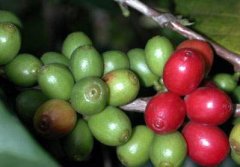
The processing process of coffee berries picking-berry treatment-drying
The coffee beans we are talking about are actually the seeds of a fruit similar to cherries. Coffee trees produce berries, called coffee berries, whose bright red color means they are ripe and ready to be picked. The fruit clustered on the branches. The outer skin (exocarp) of coffee berries is thick and bitter. However, the fruit (mesocarp) inside is very sweet and has the texture of grapes. And then there's parenchyma, which is like

United Kingdom-St. Helena Green Tip Bourbon Arabica Coffee Spreading and Brewing?
Professional coffee knowledge exchange More coffee bean information Please pay attention to coffee workshop (Weixin Official Accounts cafe_style) UK-St. Helena Green Tip bourbon Arabica coffee spread and brewing? St. Helena coffee is unique not only because it is pure Arabica beans, but also because it is the bourbon variety of Arabica beans-Green Tipped Bourbon arabica,

Basic knowledge of coffee during the drying process of picking berries from coffee beans
The coffee beans we are talking about are actually the seeds of a fruit similar to cherries. Coffee trees produce berries, called coffee berries, whose bright red color means they are ripe and ready to be picked. The fruit clustered on the branches. The outer skin (exocarp) of coffee berries is thick and bitter. However, the fruit (mesocarp) inside is very sweet and has the texture of grapes. And then there's parenchyma, which is like

How did the Indian wind stain treatment come from? What are the characteristics of Malaba coffee?
Professional coffee knowledge exchange more coffee bean information Please follow the coffee workshop (Wechat official account cafe_style) it is said that a long time ago, when raw coffee beans were shipped from India to Europe, changes were caused by high temperatures and moisture in the Indian Ocean, and this is where "wind stains" came from. In addition to the expansion and enlargement of the size of the raw beans after wind-soaked, the color of the raw beans is also changed from green to green.

Analysis on the treatment process of raw coffee beans: picking-berry treatment-drying
The coffee beans we are talking about are actually the seeds of a fruit similar to cherries. Coffee trees produce berries, called coffee berries, whose bright red color means they are ripe and ready to be picked. The fruit clustered on the branches. The outer skin (exocarp) of coffee berries is thick and bitter. However, the fruit (mesocarp) inside is very sweet and has the texture of grapes. And then there's parenchyma, which is like

What is the good coffee in India _ introduction to the flavor of Indian coffee _ recommendation of Indian black coffee beans
Professional coffee knowledge exchange more information on coffee beans Please follow the coffee workshop (Wechat official account cafe_style) dry and wet Indian coffee in the past sailing era, India shipped coffee beans to Europe by sailboat. During the six-month voyage, raw coffee beans absorb moisture and salty taste from the sea, dry and contract in the sun, resulting in structural and internal chemical reactions.

Coffee unique to India: Indian Monsoon Malaba Coffee Story _ how much is a pack of Indian coffee beans
Professional Coffee knowledge Exchange more information about coffee beans Please follow the story of Coffee Workshop (official Wechat account cafe_style) dating back to the 19th century, when India was still a British colony. Coffee produced from India is shipped to England. Before the opening of the Suez Canal, it was necessary to make a detour from India to Britain through the Cape of good Hope at the southern tip of Africa, across the Indian Ocean and Great Britain.

Coffee origin Indian monsoon Malaba coffee Indian "monsoon coffee" coffee characteristics
Before the Indian monsoon Malaba Coffee, a tweet about the history of coffee species: it is amazing that 90% of the world's coffee originated from the same coffee tree! It was said that coffee originated in Ethiopia, and Arab businessmen brought it to Yemen, and then a thousand years later, because of a legendary love story, a Yemeni woman risked death to give coffee seeds to the prince of India.

Indian monsoon Malaba coffee bean planting processing variety information introduction how to make wind-stained coffee?
Professional coffee knowledge exchange more information about coffee beans Please pay attention to the coffee workshop (official Wechat account cafe_style) Coffee has become the first drink in the world only 1600 years later, so the recorded history of coffee is only 400 years similar to that of Taiwan. It is generally recognized that Africa is the home of coffee, originated in Ethiopia and spread to the world from the port of Mocha in Yemen.